
India’s Russian oil imports surged by 90% in March, creating a major impact on fuel prices, economy, and global politics. Here’s why it happened and what it means for India’s future.
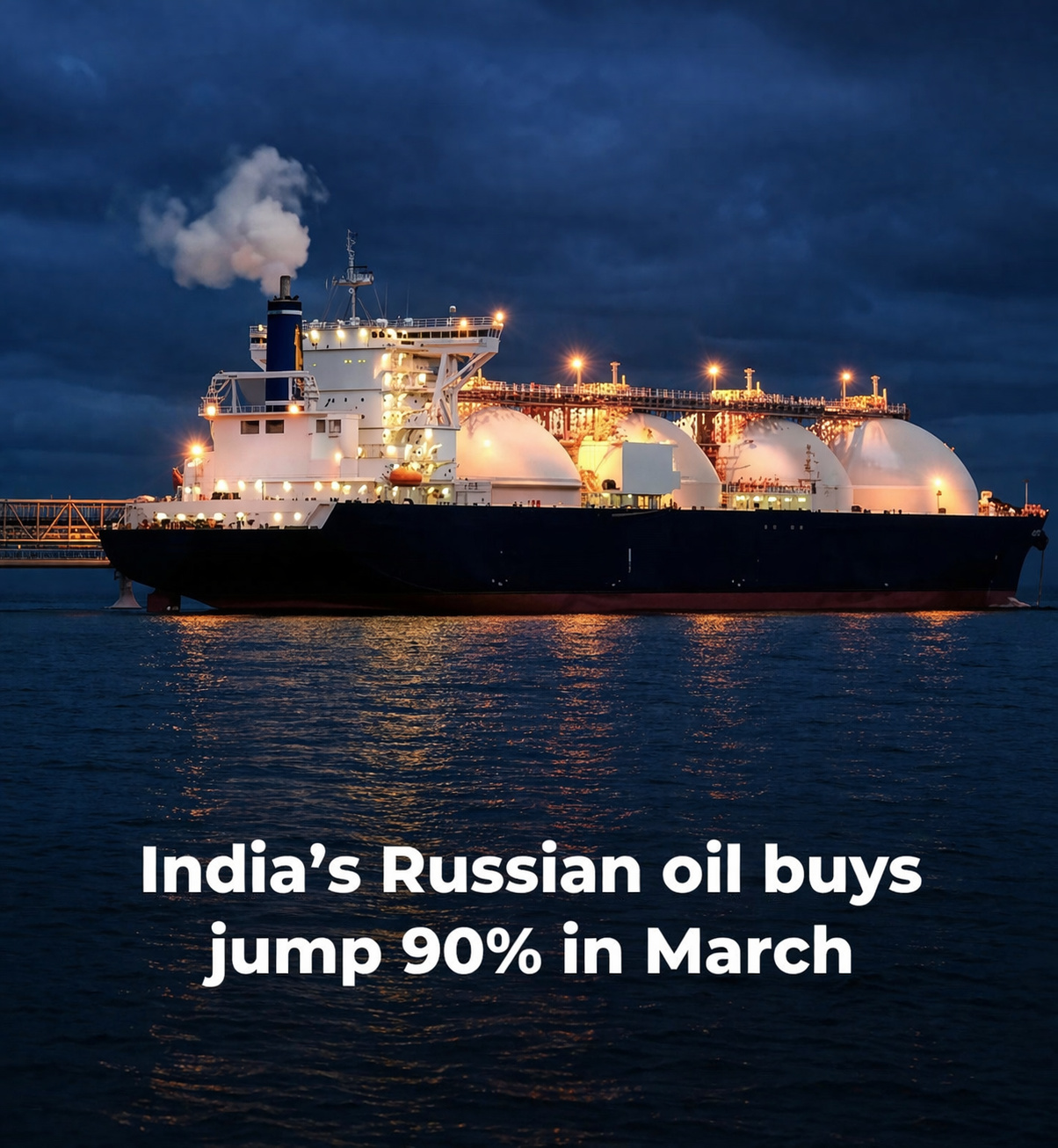
India’s energy landscape witnessed a major shift in March as crude oil imports from Russia surged by a staggering 90%. This sudden spike has sparked global attention, raising questions about India’s energy strategy, geopolitical positioning, and economic priorities.
As one of the world’s fastest-growing economies, India’s demand for energy continues to rise. The country relies heavily on imports to meet its needs, making decisions around sourcing crude oil extremely critical.
In this blog, we’ll break down why India increased Russian oil purchases, the impact on the economy, and what this means for the future.
📊 Why Did India Increase Russian Oil Imports?
1. Discounted Crude Oil Prices
One of the biggest reasons behind the surge is cost advantage. Russia has been offering crude oil at discounted rates compared to global benchmarks like Brent crude.
- Indian refiners are highly price-sensitive
- Lower costs = higher refining margins
- Savings help control domestic fuel prices
This makes Russian oil an attractive option for both private and public refiners.
2. Strategic Energy Security
India imports over 85% of its crude oil requirements. To avoid dependency on a single region like the Middle East, India is diversifying its sources.
By increasing imports from Russia:
- Supply risks are reduced
- Energy security is strengthened
- Long-term contracts become more stable
3. Changing Global Supply Chains
Due to geopolitical tensions and sanctions, Russia has shifted its oil exports toward Asian markets, especially India and China.
This has created:
- New trade routes
- Flexible payment mechanisms
- Increased availability of crude at competitive rates
🌍 Impact on India’s Economy
1. Lower Inflation Pressure
Cheaper crude oil helps reduce:
- Fuel prices
- Transportation costs
- Manufacturing expenses
This directly impacts inflation, making goods and services more affordable.
2. Boost to Refining Sector
Indian refineries are benefiting significantly:
- Higher profit margins
- Increased export of refined products
- Better global competitiveness
Major refining hubs like Gujarat and Maharashtra have seen increased activity.
3. Strengthening the Rupee
Reduced oil import costs can help:
- Lower the current account deficit
- Support the Indian Rupee
- Improve overall economic stability
⚖️ Geopolitical Implications
1. Balancing Global Relations
India’s decision to increase Russian oil imports has drawn attention from Western countries. However, India maintains that:
- Its priority is national interest
- Energy security cannot be compromised
- It follows an independent foreign policy
2. Relationship with Russia
India and Russia have long-standing ties in defense and energy. This move strengthens:
- Bilateral trade relations
- Strategic cooperation
- Long-term energy agreements
3. Western Concerns
Countries like the US and EU have imposed sanctions on Russia. However:
- India is not violating any international laws
- Purchases are within permitted frameworks
- Payments are often done through alternative systems
🚢 How Oil Is Reaching India
Russian crude is transported via:
- Long-distance oil tankers
- Ship-to-ship transfers
- Alternative shipping routes avoiding sanctioned zones
Despite logistical challenges, supply chains have become more efficient over time.
📈 Future Outlook
1. Continued Growth in Imports
Experts believe India will continue importing Russian oil if:
- Discounts remain attractive
- Supply chains stay stable
- Global oil prices remain volatile
2. Diversification Strategy
India is not relying only on Russia. It continues to import from:
- Middle East (Saudi Arabia, UAE)
- United States
- Africa
This ensures a balanced energy portfolio.
3. Push Towards Renewable Energy
While oil imports rise, India is also investing heavily in:
- Solar energy
- Wind power
- Electric vehicles
The long-term goal is to reduce dependency on fossil fuels.
🧠 Key Takeaways
- India’s Russian oil imports jumped 90% in March
- The primary reason is discounted pricing
- This move supports economic growth and energy security
- It also highlights India’s independent geopolitical stance
- Future trends will depend on global oil prices and political developments